Using AI to Write Your Resume: What Works, What to Avoid
What artificial intelligence does well and poorly, the right method, example prompts, and how to protect your data.
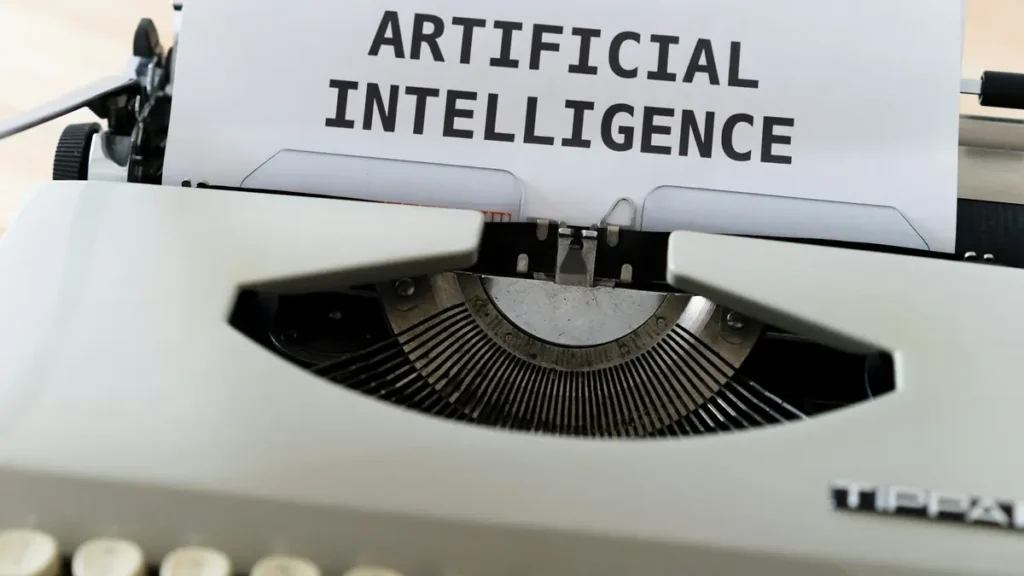
Can you use artificial intelligence to write your resume? Yes, as an assistant: to rephrase a sentence, find action verbs, spot the keywords in a job posting, or check your spelling. But not to write the resume for you. A resume generated entirely by AI is often generic, sometimes inaccurate, and recruiters are spotting these personality-free texts more and more. The content, meaning your experience, your numbers, and your accomplishments, has to come from you.
Here is what AI does well, what it does poorly, examples of useful prompts, and the precautions to take.
What AI does well
| Use | Example |
|---|---|
| Rephrase an awkward sentence | Make a paragraph in your experience section clearer and shorter |
| Find action verbs | Replace “I did” with a precise verb |
| Analyze a job posting | List the skills and keywords required |
| Proofread | Catch spelling and grammar mistakes |
| Prep for the interview | Suggest possible questions about your background |
| Translate | Draft a first version of a resume in another language, to be reviewed |
What AI does poorly
- Making things up: it can add skills, numbers, or responsibilities you don’t have.
- Making everything sound the same: generated texts resemble each other, with the same empty phrases.
- Overdoing it: it tends to use a tone that’s too glowing and not very credible.
- Missing U.S. conventions: length, sections, and the vocabulary of jobs and degrees.
- Forgetting what matters: your concrete accomplishments, which it doesn’t know.
The right method
- Write the content yourself first for each experience: your duties, your numbers, your results, even if it’s awkward.
- Ask for a rephrase that’s clearer and shorter, and specify that nothing should be added.
- Check every sentence: everything written must be true and something you can explain.
- Personalize: put your own words back in, remove the generic phrases.
- Read it out loud: the text should sound like you.
Examples of useful prompts
- “Rephrase this sentence more concisely, without adding any information: …”
- “List the important skills and keywords from this job posting: …”
- “Suggest five action verbs more precise than ‘manage’ to describe billing.”
- “Fix the spelling and grammar in this text without changing its meaning: …”
- “What questions might a recruiter ask me about this experience?”
The more precise your prompt, the more useful the answer. And always ask it not to make anything up.
Can recruiters spot resumes written by AI?
Often, yes. Generated texts have recognizable tics: strings of adjectives, flowery phrases, sentences that are balanced but empty. A recruiter who reads several resumes in the same style gets tired of it fast. More importantly, they’ll check in the interview: if your resume claims skills you can’t explain, the effect is disastrous. A slightly less polished resume that’s accurate and sincere always wins.
Protecting your personal data
Before you paste your resume into an AI tool, remove your contact details: name, phone number, email address, mailing address. That information isn’t needed to rephrase a text. Also avoid sharing confidential information about your employers, like internal numbers or client names. Look into how the tool uses the data you give it.
What about the cover letter?
The same rules apply, even more strongly: a generated letter is often recognizable from the very first sentence. Use AI to structure your ideas or proofread your text, but write the heart of the letter yourself: why this company, your examples, your motivation.
Mistakes to avoid
- Copy-pasting a fully generated resume.
- Leaving in information the tool made up.
- Keeping empty phrases: “passionate, dynamic, results-oriented.”
- Sharing your contact details and confidential data.
- Using machine translation without having it checked.
Example of rewording
Before: “I was in charge of taking care of customers on the phone and answering their questions about their bills, there were a lot of calls.” After asking for a rewording with nothing added: “Handled about 60 customer calls per day about billing.” The number comes from you, the shorter phrasing comes from the tool. That is exactly the use that works well.
Using AI to prepare for the interview
AI can also help you prepare for an interview: a list of likely questions about your background, practice for your presentation, rewording of your examples. Use it to practice, but prepare your answers with your own words and your own examples, which the recruiter can question in detail.
Frequently asked questions
Is it forbidden to use AI for your resume?
No. What matters is that the content is true and that it sounds like you.
Can AI choose a resume template?
It can give advice, but the layout works better in a dedicated tool.
Can you use it to tailor your resume to a job posting?
Yes, to spot the keywords. The tailoring is still your job.
What about translating your resume?
It gives you a good first version, to be checked by someone who is fluent in the language.
Do applicant tracking systems penalize resumes written by AI?
They mostly read keywords and structure. The main risk comes from the human recruiter.
With CVZeno, you write your content in sections that are already laid out, and the live preview helps you keep a clear, personal resume.